
Table of Contents
Introduction to My Oatmeal Challenge
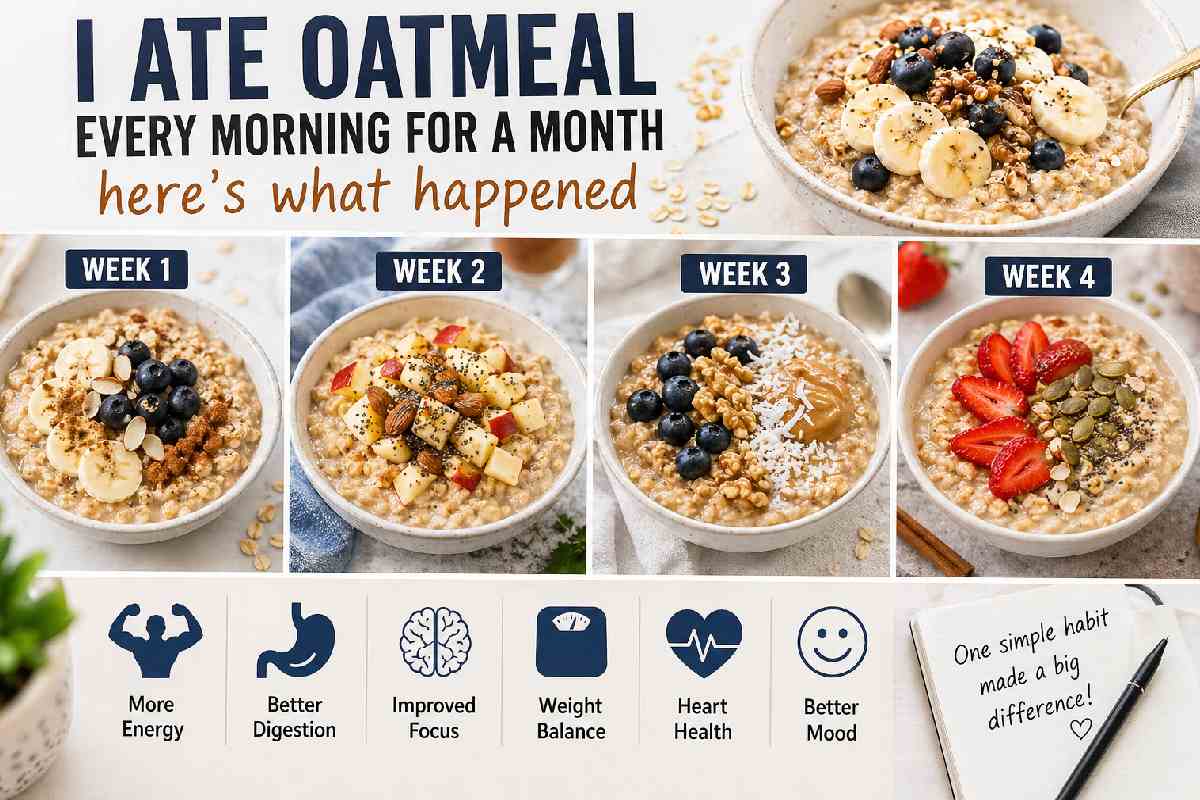
Breakfast can be a really good thing. But, many people miss out or eat the wrong things. I had in mind to see if something like eating oatmeal each morning would really make me feel better. So I tried eating oatmeal each day for a month and monitored what it would change about my energy, stomach, mood and health.
Oatmeal because it packs in rich nutrients like fiber and Vitamins and because it is an easy, quick fix. I can combine many ingredients in it to make it more delicious. I did not just want to attempt eating oatmeal, I wanted to see what effect I would get if I ate oatmeal every morning for a month.
While deciding to eat oatmeal for a month was not just about the food, it was about building a discipline and being mindful about what I eat. I found out that we can drastically change the way we feel with the choices we make about diet. For me, eating oatmeal became a habit and the lessons of eating slowly and choosing well were learned.
The Motivation Behind the Challenge
There were several reasons I chose oatmeal:
- I often felt hungry before lunch after sugary breakfasts.
- My digestion felt inconsistent.
- I wanted a healthier, budget-friendly breakfast.
- I needed more energy during the mornings.
- I wanted to improve my eating habits overall.
Many nutrition experts recommend oats because they contain beta-glucan, a type of soluble fiber linked to heart health and cholesterol management. According to the American Heart Association, whole grains like oats can support cardiovascular wellness when part of a balanced diet.
Why Oatmeal Stood Out
| Reason | Benefit |
| Affordable | Low-cost breakfast option |
| Filling | Keeps hunger away longer |
| Nutritious | Rich in fiber and minerals |
| Easy to prepare | Ready in minutes |
| Versatile | Sweet or savory recipes |
Setting Goals for the Month
Before starting, I created realistic goals. I did not expect oatmeal to magically transform my life, but I wanted measurable improvements.
My Main Goals
| Goal | Target |
| Better digestion | Fewer bloating issues |
| Stable energy | Less mid-morning crash |
| Healthier eating | Reduce processed breakfast foods |
| Improved focus | Better concentration |
| Weight balance | Reduce unnecessary snacking |
I also decided to avoid loading the oatmeal with excess sugar. Instead, I would use fruit, cinnamon, nuts, seeds, and natural toppings.
What I Expected vs. Reality
At the start, I assumed oatmeal might become boring after a week. I also thought it would only slightly affect hunger levels.
Expectations vs Reality
| Expectation | Reality |
| Oatmeal would taste bland | Easy to flavor creatively |
| I’d get bored quickly | Many recipe options kept it fresh |
| Minor energy benefits | Noticeable steady energy |
| Hunger would return soon | Stayed full longer |
| No major health change | Better digestion and routine |
Day 1–7: Early Observations and Adjustments
First Week Learnings
| Observation | Result |
| Ate plain oats first day | Needed more flavor |
| Added fruit | Better taste |
| Used larger portions | Too heavy |
| Balanced serving size | Best experience |
| Morning hunger reduced | Major positive change |
By the end of week one, oatmeal had already become part of my routine.
Week 2: The Nutritional Benefits of Oatmeal
By the second week, I started appreciating the nutritional value more deeply.
Oats contain:
- Fiber
- Iron
- Magnesium
- Zinc
- B vitamins
- Plant protein
- Antioxidants
The soluble fiber in oats can help aid digestion, as well as the potential to reduce LDL (the ‘bad’) cholesterol. Harvard T.H. Chan School of Public Health link the consumption of oats to better cardiovascular and glycemic outcomes.
Nutritional Snapshot of Oats
| Nutrient | Benefit |
| Fiber | Supports digestion |
| Protein | Helps fullness |
| Magnesium | Supports muscles and nerves |
| Iron | Helps oxygen transport |
| Zinc | Supports immunity |
| Complex carbs | Sustained energy |
I began to realize oatmeal was not just “healthy food”—it was functional fuel.
Week 3: Mental and Physical Changes
By week three, the effects felt more noticeable.
Physical Changes
- Less bloating
- More regular digestion
- Fewer sugar cravings
- More stable appetite
Mental Changes
- Better focus in the morning
- Less irritability from hunger
- Stronger sense of routine
- More mindful start to the day
Weekly Progress Table
| Area | Before Challenge | Week 3 |
| Morning Energy | Inconsistent | Stable |
| Hunger Before Lunch | High | Low |
| Focus | Average | Better |
| Digestion | Irregular | Improved |
| Cravings | Frequent | Reduced |
The steady release of energy from complex carbohydrates made a clear difference.
Integrating Oatmeal into Holistic Health Practices
As the month continued, oatmeal became part of a broader wellness routine. Eating a nourishing breakfast encouraged healthier decisions later in the day.
I also paired the habit with:
- Drinking water after waking
- Short stretching sessions
- Walking after breakfast
- Reduced sugary snacks
- Better sleep timing
This showed me that one positive habit often leads to others.
Healthy Routine Stack
| Habit | Impact |
| Oatmeal breakfast | Fullness and nutrition |
| Morning water | Hydration |
| Light movement | Better energy |
| Mindful eating | Less overeating |
| Consistent sleep | Improved recovery |
The Importance of Mindfulness in Eating
One unexpected lesson was mindfulness. Instead of rushing breakfast, I slowed down and actually tasted my food.
Mindful eating helped me:
- Notice fullness cues
- Avoid overeating
- Appreciate ingredients
- Reduce stress eating
- Start mornings calmly
When breakfast becomes intentional rather than rushed, it can set a positive tone for the whole day.
Mindful Eating Benefits
| Practice | Benefit |
| Eating slowly | Better digestion |
| No phone distractions | Improved awareness |
| Chewing properly | Satisfaction |
| Noticing hunger/fullness | Better portion control |
Flavors and Recipes to Keep It Interesting
One reason the challenge succeeded was variety. Oatmeal does not have to be boring.
| Recipe | Ingredients |
| Banana Cinnamon | Banana, cinnamon, walnuts |
| Berry Bowl | Blueberries, strawberries, chia |
| Apple Spice | Apple, cinnamon, nutmeg |
| Peanut Butter Oats | Peanut butter, sliced banana |
Savory Recipes
| Recipe | Ingredients |
| Veggie Oats | Spinach, pepper, egg |
| Cheese Oats | Light cheese, herbs |
| Indian Style Oats | Turmeric, peas, onion |
Changing flavors prevented boredom and made oatmeal enjoyable.
Impact on My Overall Health
By the end of the month, the overall benefits were clear.
Main Improvements
- More consistent energy
- Reduced random snacking
- Better digestion
- More organized mornings
- Better relationship with breakfast
Overall Results Table
| Health Area | Change |
| Energy | Improved |
| Digestion | Improved |
| Hunger Control | Strongly improved |
| Focus | Moderately improved |
| Weight Management | Helpful support |
| Mood | Slightly improved |
Final Thoughts On My Oat Phase
- Better mornings
- Better appetite control
- Better digestion
- Better consistency
- Better food choices overall
The most valuable lesson was that one of the best ways to improve one‘s health is simply to do ordinary things over and over again.
Conclusion
I started eating oatmeal every morning for a month. It was really good for me. Eating oatmeal every morning for a month showed me how one simple breakfast like oatmeal can make me feel better. I had energy I was not as hungry my digestion was better and my daily routine was easier to follow. Oatmeal is a choice for breakfast because oatmeal is not expensive oatmeal is nutritious and oatmeal can be made in many different ways so oatmeal is a good fit, for most people.
The thing I learned from eating oatmeal every morning for a month is that I do not have to make big changes to be healthier. Eating a bowl of oatmeal every morning can help me make choices for the rest of the day.
I think eating oatmeal every morning for a month is a thing to try if you want to see how small changes can add up. If you are looking for a way to be healthier trying oatmeal for a month may be a good place to start with oatmeal.
FAQs
1. Is it healthy to eat oatmeal everyday?
Yes oatmeal is healthy for most people eat it everyday because it contains more fiber then other similar foods and whole grain help. Oatmeal everyday can be included in a diet. Oatmeal is recommended because contains vitamins and fiber.
2. Can oatmeal be used for weight loss?
Oatmeal would help you lose weight because of the fact that oatmeal is very filling. You won‘t want to snack if you eat oatmeal. It is for this reason that oatmeal can be used to lose weight.
3. What types of oats are preferable?
Some like rolled oats and other like steel-cut oats. These types of oats are preferable because they are not as processed as the flavored oats. rolled oats and steel-cut oats are often preferred.
4. Can I add sugar to oatmeal?
It is better to add fruit to oatmeal of sugar. You can also add cinnamon or nuts to oatmeal. These things are better for you than sugar. Do not add much sugar to oatmeal.
5. How long before I notice benefits?
Some people notice they have energy when they eat oatmeal every day. They also feel full for a time. It may take a weeks to notice other benefits like better digestion.
6. Is oatmeal good for digestion?
Yes oatmeal is good for digestion. The fiber in oatmeal helps your body digest food. Oatmeal can also help you have bowel movements.
7. Can oatmeal get boring?
No oatmeal does not have to be boring. You can add toppings to oatmeal to make it taste better. You can try savory recipes. If you change up the toppings you will not get bored, with oatmeal.