
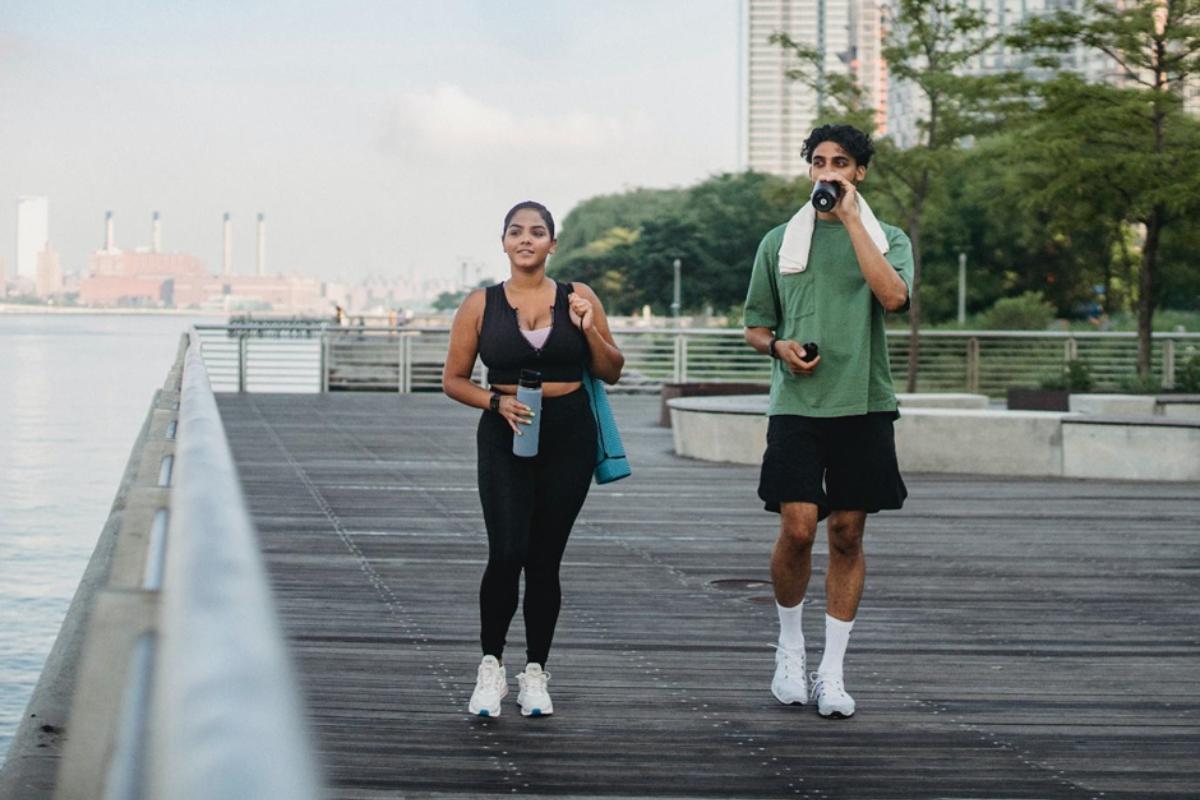
Whether you are looking for ways to improve your fitness or simply want to stay active, walking is a low-impact and accessible form of exercise. It supports cardiovascular health, strengthens muscles and can help improve your overall well-being.
A daily walk can be a simple way to include more physical activity in your routine. You can choose a comfortable pace and gradually adjust the duration according to your fitness level.
The benefits of walking depend on several factors, including your pace, the terrain, your fitness level and how consistently you stay active. Rather than focusing only on calorie calculations, it is better to enjoy regular movement and maintain balanced lifestyle habits.
Walking is not the only way to support your fitness. You can also include activities such as cycling, swimming, dancing and age-appropriate strength exercises.
To learn more about the benefits of walking and ways to make it part of your routine, continue reading.
Table of Contents
Walking for Better Fitness
Whether you want to improve your overall health or build a more active lifestyle, walking is a great way to get started. This type of activity is gentle on the body and can help improve your energy levels.
Walking also offers cardiovascular benefits. Regular physical activity supports heart health, improves endurance and can contribute to better overall fitness. You can gradually increase your walking pace or include short periods of faster walking if they feel comfortable.
Walking can also be combined with balanced meals and other enjoyable activities. For example, a short walk after a meal may help some people feel more comfortable and support healthy blood sugar regulation.
For broader guidance on balanced eating habits, you can explore this healthy weight management plan and meal-planning guide.
How Much Should You Walk Each Day?
There is no single daily step target that is right for everyone. The amount of walking that suits you depends on your age, health, fitness level and daily routine.
A fitness tracker or phone app can help you understand your general activity patterns. However, you do not need to reach a particular number of steps every day to benefit from movement.
If you have been inactive for a long time, start with short, comfortable walks and gradually build up your activity. If you have a health concern or experience discomfort during exercise, speak with a healthcare professional.
Wear supportive shoes and comfortable socks, and begin with a gentle warm-up. You can make walking more enjoyable by choosing a pleasant route or inviting a friend or family member to join you.
Simple Ways to Include More Walking in Your Day
Walking does not always require a separate workout session. Small opportunities throughout the day can help you stay active and develop a consistent routine.
Take the Stairs
Taking the stairs is an easy way to include more movement in your daily routine when it is safe and comfortable to do so. Stair climbing engages the leg muscles and can improve cardiovascular fitness over time.
If stairs feel difficult or uncomfortable, choose another activity that suits your ability.
Walk During Lunch
Taking a short walk during your lunch break can provide a refreshing break from sitting. It may help you feel more alert and give you an opportunity to enjoy some fresh air.
You can also take a gentle walk after a meal if it feels comfortable. Choose a pace that suits you rather than pushing yourself to exercise intensely.
Walk While You Wait
If you are waiting for someone or have some free time, consider walking around a safe nearby area instead of sitting continuously.
Regular movement can support physical health, improve mood and help break up long periods of sitting.
Best Walking Workouts for General Fitness
Whether you want to improve your stamina or enjoy a more varied exercise routine, there are several walking workouts to try. Choose an option that matches your fitness level and increase the intensity gradually.
Treadmill Walking Workout
Using a treadmill can be a convenient way to walk indoors, particularly when the weather is unsuitable for outdoor activity. It allows you to adjust your speed and incline according to your comfort.
For beginners, a comfortable walking pace on a flat surface is a sensible starting point. You can gradually increase the incline if it feels manageable.
If you experience pain or discomfort, reduce the intensity or stop exercising. You can also read about pain after surgery for related health information, although anyone recovering from surgery should follow their healthcare professional’s advice before starting a walking routine.
Interval Walking Workout
Interval walking involves alternating between comfortable walking and slightly faster walking. It can be done outdoors or on a treadmill.
Start with a gentle warm-up, then alternate between your usual pace and a faster pace that still allows you to feel in control. Finish with a slower walk to cool down.
You can adjust the intervals according to your fitness level. There is no need to make every session intense.
Hill Walking Workout
Walking on gentle hills can make your routine more challenging and engage different leg muscles. It may also help improve stamina and overall fitness.
Choose a safe route with a manageable slope and begin slowly. Warm up before walking uphill, and take breaks whenever needed.
If you are new to hill walking, start with a short route and gradually increase the challenge as your fitness improves.
Building Healthy Lifestyle Habits
Walking works best as part of a balanced lifestyle that includes enjoyable physical activity, nutritious meals, sufficient rest and good hydration.
Be cautious about online products or programmes that promise quick results. For example, articles about herbal nutrition and weight-management products should be read critically, as supplements are not a substitute for balanced nutrition or professional healthcare advice.
Similarly, information about promoting a commercial product, such as email marketing strategies for a new keto product line, is separate from evidence that a product is safe or effective.
The most useful walking routine is one that feels comfortable, fits your daily schedule and helps you enjoy staying active.