
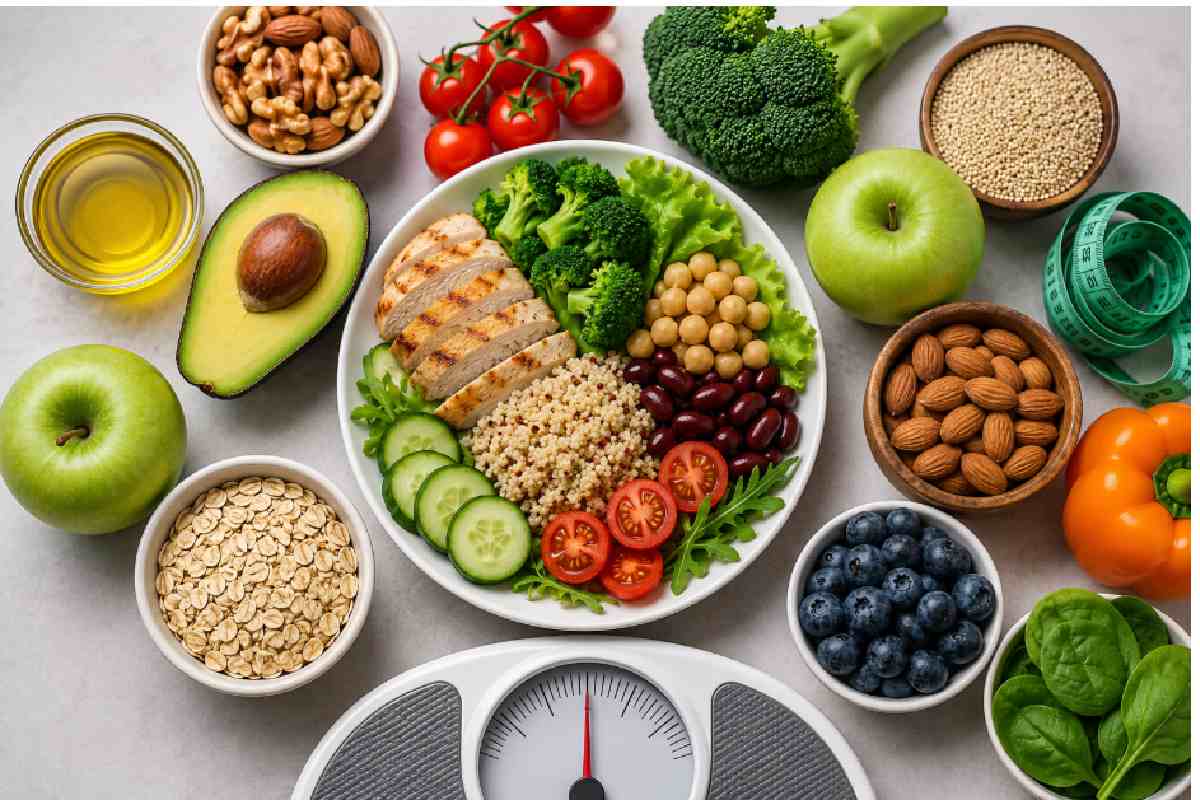
Protein helps to build and repair tissues like muscle and bone, and creates vital enzymes and hormones. It’s very important for our body, and we must know how much protein intake we need for our body. The standard adult protein recommendation is commonly expressed as 0.8 grams per kilogram of body weight per day, experts nutrition have suggested that many healthy older adults may benefit from around 1.0–1.2 g/kg/day, particularly when the goal is to preserve muscle and physical function.
That does not mean everyone over a certain age needs a high-protein diet. Your ideal protein intake depends on factors such as age, body size, activity level, overall diet, nutritional status, and medical conditions.
For older adults and teener, the bigger question is “How much protein should I eat?” but “How can I consistently get enough high-quality protein while supporting healthy aging?”
Table of Contents
Why Protein Becomes More Important With Age
Protein is an essential macronutrient made of building blocks called amino acids. It builds and repairs tissues like muscle and bone, and creates vital enzymes and hormones. You must get nine essential amino acids from food every day because your body cannot store them.As people age, maintaining muscle becomes increasingly important because loss of muscle mass and strength can affect mobility and physical independence.
Nutrition is only one part of healthy aging. Regular physical activity—particularly resistance exercise when appropriate—works alongside adequate protein intake to support muscle health. Expert recommendations for older adults therefore emphasize both sufficient protein and physical activity.
How Much Protein Do You Need?
There is no single protein target that is appropriate for every adult. In the first we say Protein Intake for healthy adults is 0.8 g/kg of body weight per day. This is a population-level reference rather than a personalized prescription.
For older adults, the European expert guidance has recommended higher amounts. ESPEN guidance states that older adults should receive at least 1.0 g/kg/day, with the amount adjusted according to nutritional status, physical activity, disease status, and tolerance. For healthy older people, 1.0–1.2 g/kg/day has been suggested.
A Simple Protein Calculation
You can estimate your daily protein target by multiplying your body weight in kilograms by the target number of grams per kilogram. If your weight is 60 to 70 kg you need protein b/w 48g to 84g if you wegiht is above then 80 to 90 you need 64g to 108g.These numbers are estimates, not individual medical recommendations. Someone with kidney disease, significant illness, malnutrition, or another medical condition may need a different protein target.
The mostly normal question is: Does Protein Intake Need to Increase After 60 or 65?The answer is NO. The reason higher protein targets are discussed for older adults is that aging can make maintaining muscle and physical function more challenging.
Should You Spread Protein Throughout the Day?
For many people, distributing protein across meals can be a practical way to consistently meet a daily target.
Instead of eating very little protein at breakfast and lunch and trying to consume most of the day’s protein at dinner, consider including a protein-rich food at each main meal.
For example: the doctor-recommended diet is here in breakfast you eat Eggs, Greek yogurt, Cottage cheese and Fortified soy beverage for the Lunch: Lentils or beans, Chicken or fish, Tofu, Yogurt. Dinner: Fish, Poultry, Lean meat, Beans or lentils,Tofu or another soy food. Snacks: Yogurt, Milk, Nuts and seeds, Hummus with vegetables, Cottage cheese
The goal is not to make every meal identical. Variety makes it easier to build a nutritionally balanced diet.
What If You Are Trying to Lose Weight?
Protein can be particularly relevant during weight loss because preserving lean tissue is an important consideration.
However, weight loss should not be approached by simply replacing most of your diet with protein. A balanced eating pattern still needs vegetables, fruits, whole grains or other carbohydrate sources, healthy fats, and adequate fluids and micronutrients.
Protein Intake and Kidney Health
People with kidney disease should not automatically follow a high-protein diet.
Protein recommendations can change substantially when kidney function is impaired, and the appropriate target depends on the person’s medical situation. Clinical nutrition guidance specifically addresses the need to adjust protein targets in people with kidney disease.
If you have chronic kidney disease, reduced kidney function, or have been told to limit protein, discuss your protein intake with your doctor or a registered dietitian before substantially increasing it.
Protein Intake and Heart Function
The impact of protein intake on heart function depends heavily on the source of the protein, the total amount consumed, and your age. Moderate, balanced protein intake supports muscle mass, metabolism, and heart health, while excessive or heavily processed animal protein may carry risk.
FAQs
Is protein intake more important after age 60?
Protein becomes increasingly important for supporting muscle mass and physical function as you age, especially when combined with regular physical activity.
How much protein does a 70 kg person need per day?
At 1.0–1.2 g/kg, a 70 kg person would need approximately 70–84 grams of protein per day.
What are the best sources of protein as you age?
Good options include eggs, fish, dairy products, poultry, lean meat, beans, lentils, tofu, soy foods, nuts, and seeds.
Can eating more protein help prevent muscle loss?
Adequate protein can support muscle maintenance, particularly when combined with appropriate resistance exercise and overall good nutrition.
Do older adults need protein supplements?
Not necessarily. Many people can meet their protein needs through food. Supplements may be useful when getting enough protein from meals is difficult.
The Bottom Line
There is no single protein or protein shake target that works for every person as they age.
The established adult reference is 0.8 g/kg/day, while expert guidance for older adults commonly recommends at least 1.0 g/kg/day, with 1.0–1.2 g/kg/day often suggested for healthy older people. Higher amounts may be appropriate in some circumstances, particularly during illness, but should be individualized.
For healthy aging, protein is only one piece of the picture. A varied diet, sufficient energy intake, regular physical activity, and appropriate resistance exercise can all contribute to maintaining muscle and physical function.
The best approach is not to chase the highest protein number. It is to consistently obtain an appropriate amount from nutritious foods while considering your individual health needs.