

Table of Contents
Introduction
Dates are one of the oldest cultivated fruits in the world, yet they continue to grow in popularity in the United States due to their rich nutritional profile and natural sweetness. Whether eaten as a snack, added to smoothies, or used as a sugar substitute, dates are considered a healthy food choice by many nutrition experts.
In the U.S., dates such as Medjool and Deglet Noor are widely available in grocery stores and are often marketed as a “natural energy booster.” But are they really good for you? The answer is yes — but with moderation.
Dates are packed with fiber, vitamins, minerals, and antioxidants that support overall health. However, they are also high in natural sugars and calories, which means they must be consumed wisely.
Are Dates Good for You – Details
| Factor | Details |
| Origin | Middle East, North Africa, also grown in the United States |
| Nutritional Value | High in fiber, potassium, magnesium, vitamin B6 |
| Calories (100g) | ~277 calories |
| Sugar Content | High (natural sugars like glucose & fructose) |
| Fiber | ~7g per 100g |
| Antioxidants | Flavonoids, carotenoids, phenolic acids |
| Best For | Energy, digestion, heart health |
| Suitable For | Most people (moderation required) |
| Not Ideal For | People with uncontrolled diabetes (excess intake) |
What Are Dates?
Dates are the fruit of the date palm tree (Phoenix dactylifera). They are typically oval-shaped, sweet, and chewy. Dates can be eaten fresh or dried, but most dates available in the United States are dried.
They come in different colors like:
- Yellow
- Red
- Brown (most common)
Dates are known for their caramel-like taste and are often used as a natural sweetener in healthy recipes.
Health Benefits of Dates
When exploring nutrition and wellness trends, it is important to distinguish established nutritional facts from unverified product claims. For example, what Kiolopobgofit contains remains unclear because the term has no standard, verified ingredient list. Checking product labels and reliable sources can help readers make more informed decisions about supplements and wellness products.
Dates are considered a nutrient-dense superfood. Let’s explore their major health benefits:
- Rich in Nutrients
Dates contain:
- Fiber
- Potassium
- Magnesium
- Iron
- Vitamin B6
A 100g serving provides important daily nutrients, especially potassium and copper.
- Improves Digestion
Dates are high in fiber, which:
- Prevents constipation
- Improves bowel movement
- Supports gut health
Eating dates regularly can help maintain a healthy digestive system.
- Provides Instant Energy
Dates are rich in natural sugars like glucose and fructose, making them:
- Perfect for quick energy
- Ideal pre-workout snack
They are commonly used by athletes for instant energy boosts.
- Supports Heart Health
Dates help:
- Reduce bad cholesterol (LDL)
- Improve blood pressure
- Support healthy heart function
Potassium in dates plays a key role in heart health.
- Helps Control Blood Sugar (in moderation)
Despite being sweet, dates have a low glycemic index, meaning:
- They don’t cause rapid sugar spikes
- Fiber slows sugar absorption
- Rich in AntioxidantsBesides eating antioxidant-containing fruits, some people include turmeric and ginger in their daily food and drink routines. These ingredients are commonly used in traditional recipes and wellness beverages, although evidence for specific health benefits varies. Learn more about turmeric and ginger shots and how these drinks may fit into a balanced diet.
Dates contain:
- Flavonoids
- Carotenoids
- Phenolic acids
These antioxidants:
- Reduce inflammation
- Protect against diseases like cancer and heart disease
- Improves Brain Health
Studies suggest dates may:
- Reduce inflammation in the brain
- Improve memory
- Lower risk of Alzheimer’s disease
- Strengthens Bones
Dates contain minerals like:
- Calcium
- Magnesium
- Phosphorus
These nutrients help:
- Improve bone strength
- Prevent osteoporosis
How Many Types of Dates?
There are hundreds of varieties of dates, but the most popular ones in the U.S. include:
| Type of Date | Color | Taste | Common Use |
| Medjool | Dark brown | Very sweet, soft | Snacks, desserts |
| Deglet Noor | Light brown | Mild sweetness | Cooking |
| Barhi | Yellow to brown | Soft, caramel-like | Fresh eating |
| Zahidi | Golden | Less sweet | Baking |
| Ajwa | Dark black | Slightly dry | Religious & medicinal use |
How Many Dates to Eat Per Day?
Alongside balanced nutrition, regular physical activity can contribute to overall health and well-being. Fitness resources may help people organise their workouts, establish routines, and monitor progress towards personal goals. Read more about BeFitnatic to explore this fitness-related resource while keeping nutrition and exercise choices suited to your individual needs.
Moderation is key when eating dates.
Recommended intake:
- 2–4 dates per day for general health
- 3–5 dates for active individuals
Why not more?
- High sugar content
- High calories
Eating too many dates can lead to:
- Weight gain
- Blood sugar spikes
Are Dates Good for Diabetes?
This is a common question.
Yes — but in moderation
Dates can be safe for people with diabetes if:
- Eaten in small amounts
- Paired with protein (like nuts)
Why they are okay:
- Low glycemic index
- High fiber slows sugar absorption
Caution:
- Avoid eating too many
- Monitor blood sugar levels
Benefits of Dates with Milk at Night
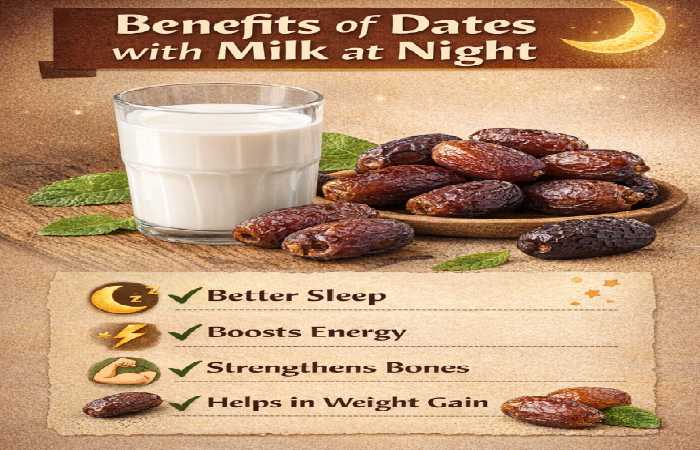
Eating dates with milk is a traditional remedy with many benefits:
Benefits:
- Improves sleep
- Boosts energy
- Strengthens bones
- Helps in weight gain (for underweight people)
- Improves digestion
Why it works:
- Milk provides protein and calcium
- Dates provide energy and fiber
Together, they form a complete nutritious combination.
Dates Benefits and Side Effects
| Benefits | Side Effects |
| Improves digestion | High sugar content |
| Boosts energy | Can cause weight gain |
| Supports heart health | Risk for diabetics (if overeaten) |
| Rich in antioxidants | May cause bloating |
| Strengthens bones | High calorie intake |
| Improves brain health | Possible allergies (rare) |
FAQs
1. Are dates good for weight loss?
Yes, in moderation. Their fiber keeps you full, but overeating can lead to weight gain.
2. Can I eat dates every day?
Yes, 2–4 dates daily is safe and healthy.
3. Are dates better than sugar?
Yes, dates are a healthier alternative because they contain fiber and nutrients, unlike refined sugar.
4. Are dates good for skin?
Yes, antioxidants in dates help improve skin health and reduce aging signs.
5. Can kids eat dates?
Yes, dates are very healthy for children and provide energy and nutrients.
6. Are dates good before a workout?
Yes, they provide quick energy due to natural sugars.
Conclusion
Dates are a highly nutritious fruit packed with fiber, vitamins, minerals, and antioxidants. They support digestion, heart health, brain function, and energy levels. They are also a great natural alternative to processed sugar.
However, because of their high sugar and calorie content, moderation is important. Eating 2–4 dates daily is enough to enjoy their benefits without negative effects.
Whether you eat them as a snack, mix them with milk, or use them in recipes, dates can be a powerful addition to a healthy diet.